
Signs You Need Your Commercial Property Sealcoated
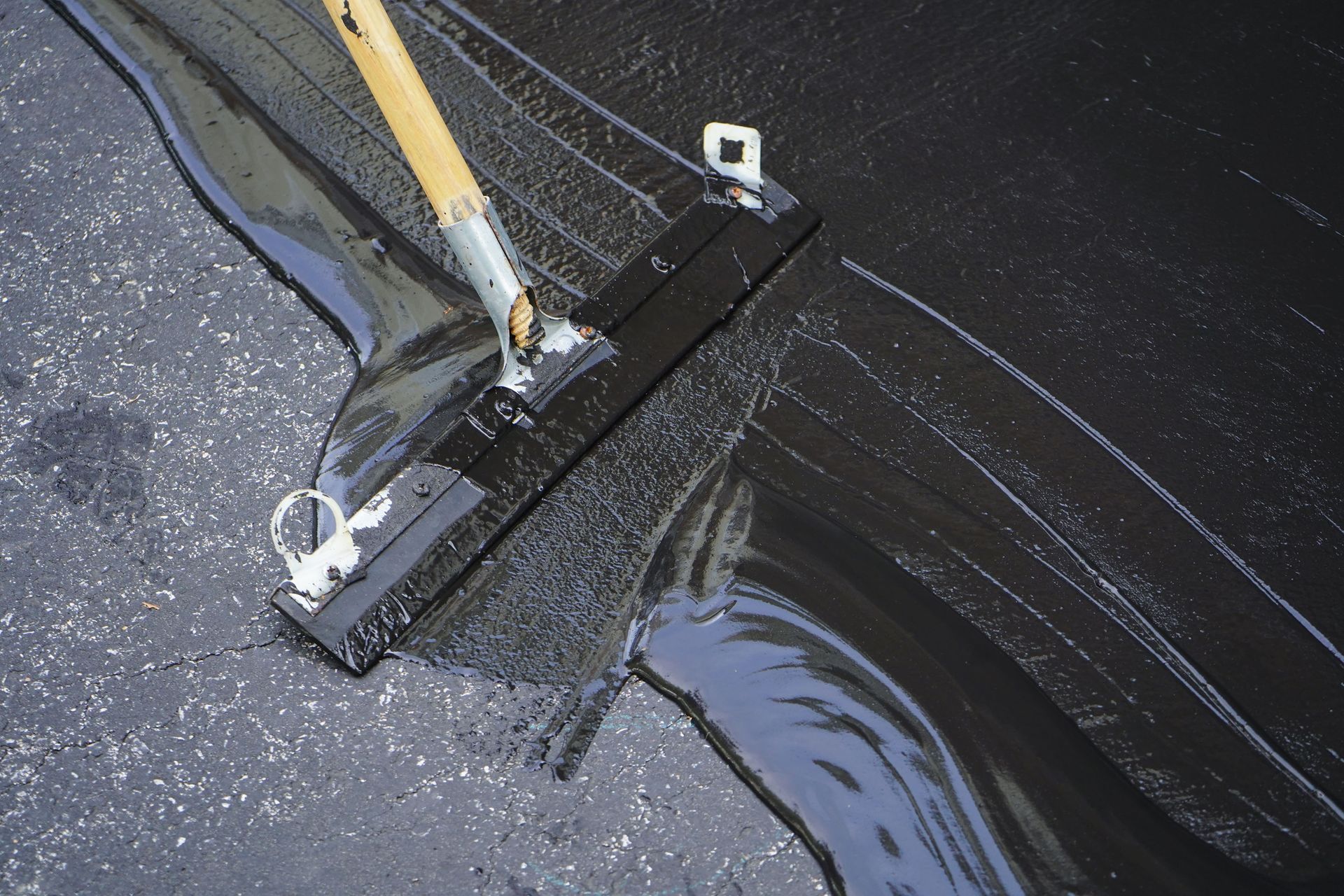
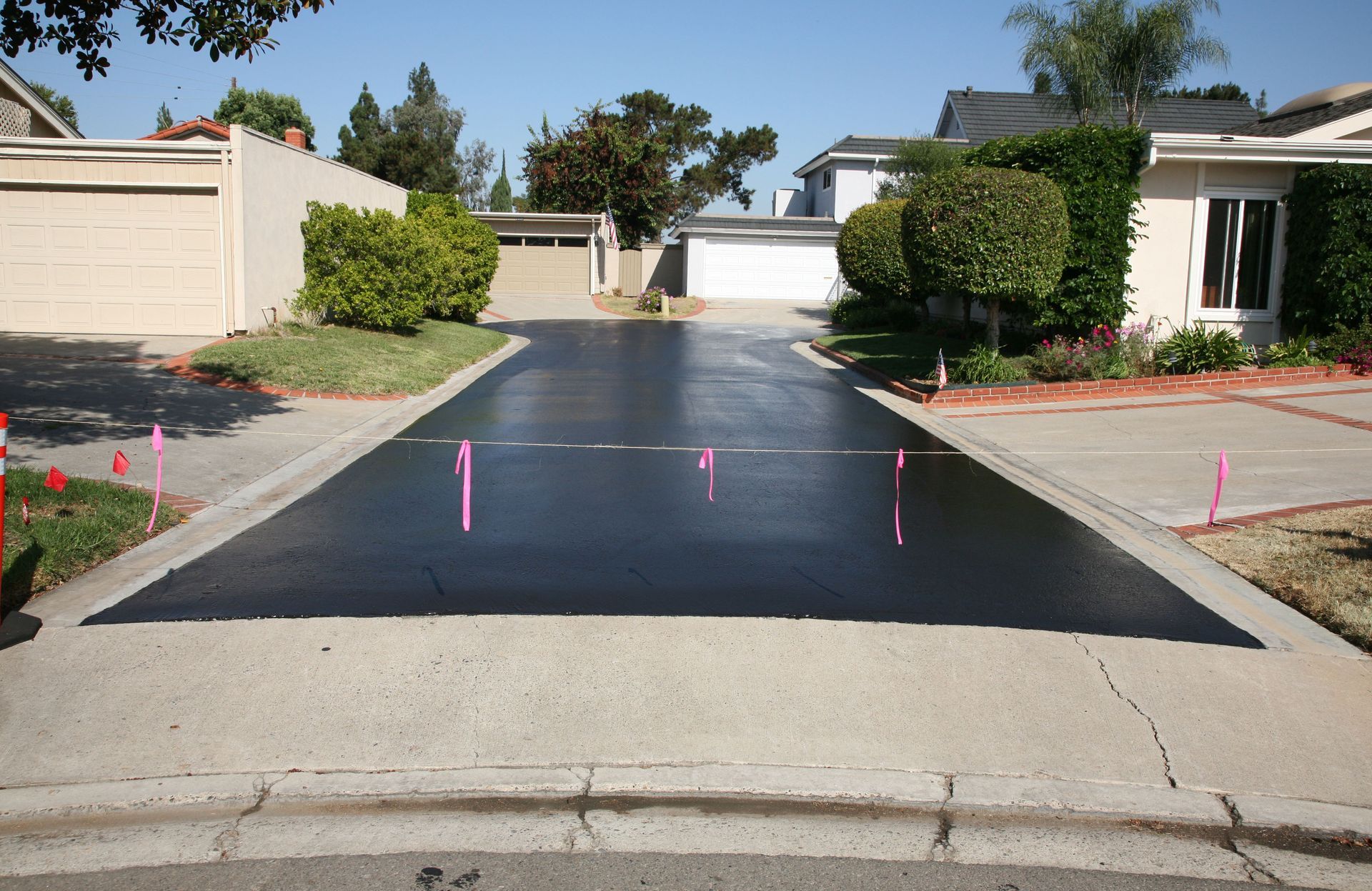
Sealcoating is an essential maintenance procedure for commercial properties, offering numerous benefits such as prolonging pavement life and enhancing its appearance. Recognizing the signs that indicate the need for a new application can help prevent larger issues. In this article, we will explore several key indicators that your commercial property could benefit from sealcoating.
Fading Surface Color
Pavement color fades primarily due to the relentless exposure to ultraviolet rays from the sun. Over time, these rays infiltrate the surface of the asphalt, breaking down its binding properties, which leads to a noticeable dullness in color. This fading is not just an aesthetic issue; it also signifies a weakening of the pavement's structural integrity. As the binding agents deteriorate, the asphalt becomes more susceptible to other forms of damage like cracking and water infiltration. A timely application of the coating can mitigate UV issues by providing a protective layer that enhances color retention and prolongs overall lifespan.
The factors contributing to the fading of pavement color include geographical location and the intensity of sunlight exposure. Air pollution and weather extremes such as heavy rains or prolonged dry spells speed up the fading process. Evidence of damage can appear in the form of chalky residue on the surface or a discolored, washed-out look. For a commercial property, maintaining a fresh appearance is vital to customer perception and brand image, making sealcoating an essential part of maintenance strategy. By rejuvenating the color, sealcoating not only improves aesthetics but also extends the useful life of the surface for any dedicated paver.
Increasing Frequency of Cracks
Visible signs of UV effects should be the first clue that it might be time to consider a new application. Once the color fades significantly, even to the point of appearing grey rather than its original black, it indicates the protective binder in the asphalt is disappearing, making the surface fragile. Sealcoating acts as a sunscreen for the asphalt, reflecting harmful UV rays and maintaining a rich dark color that denotes strength and durability. This protective coating is best applied before the surface begins to show deeper signs of wear and tear, such as cracking. Property managers should assess their asphalt regularly to schedule timely sealcoating, ideally every two to three years.
Cracks in the pavement are a common occurrence that needs to be addressed promptly to maintain structural integrity. The types of cracks to look for include hairline surface cracks, alligator cracks, and potholes. Hairline cracks are small but can expand under pressure and environmental conditions, while alligator cracks resemble the skin of their namesake, indicating significant structural distress. Potholes represent deeper and more severe deterioration, generally the result of a lack of maintenance. Early detection and repair of these cracks before widespread damage occurs is critical in protecting the investment, especially when relying on an experienced paver to evaluate the sub-base.
Pools of Water After Rain
Sealcoating is an effective preventive measure against crack formation. By adding a protective layer over the asphalt, it fills in small surface imperfections, making it more resilient to temperature changes and moisture penetration, which are common causes of cracks. The sealcoating acts as a barrier against rainwater and moisture, which can freeze and expand within the surface, causing cracks to widen and deepen. According to Forbes, asphalt has a life cycle of up to 15 to 30 years. Using sealcoating as part of a regular maintenance schedule can help achieve this lifespan.
Weather-related crack progression plays a significant role in surface deterioration. The freeze-thaw cycle when temperatures drop can exacerbate existing cracks, forming new ones if not addressed. By performing repairs and applying sealcoating before the winter, property owners can safeguard their surfaces against this natural cycle of expansion and contraction. Recommended crack treatment methods before sealcoating include filling and sealing smaller cracks to prevent them from enlarging and developing into more significant structural issues. Working with a qualified paver ensures that proper crack filler is applied so the sealcoating adheres smoothly across the entire site.
Surface Roughness and Texture Changes
When rain leaves pools of water on the surface, it signals that the asphalt is not draining as efficiently as it should. This poor drainage can be due to incorrect grading, settling, or excessive wear that changes the surface contour. Standing water is detrimental as it seeps into cracks and crevices, accelerating the development of potholes and structural degradation. Additionally, these water pools can pose a safety risk to pedestrians and vehicles, emphasizing the need to address drainage issues promptly. Sealcoating enhances surface smoothness and, when combined with proper drainage solutions, improves the ability to channel water away efficiently.
The impact of pooling water on asphalt should not be underestimated. Moisture infiltration is possibly the most significant factor in surface deterioration, since water that penetrates through cracks can weaken the structure from within. During colder months, this trapped water freezes, expands, and promotes more severe cracking and even heaving. Addressing the visible signs of severe drainage issues can include measures such as leveling low spots, ensuring proper sloping, and repairing underlying drainage problems. Effective water management, augmented by sealcoating, helps maintain the surface in good condition and prevents costly repairs.
Increased Surface Age
Before sealcoating, corrective measures are crucial to ensure that the sealant can effectively protect the surface. This preparation often involves milling or leveling to remove depressions and promote even distribution of the sealcoating. By ensuring most of the rainwater drains away promptly, the risk of damage due to stagnation lessens significantly. Regular observation of the asphalt following rainfalls is an effective tactic to identify drainage problems early. Sealcoating, along with these corrective measures, helps ensure that water does not compromise the longevity or aesthetics of commercial property surfaces, giving every paver a pristine canvas to maintain.
A shift in the surface texture from smooth to rough, uneven, or gritty may suggest wear beyond normal usage. Traffic volume, the weight of vehicles, and environmental conditions all contribute to this surface change, wearing away the finer aggregate and exposing the coarse bottom layer. Distinguishing between routine wear and actual surface damage is crucial, as the latter affects vehicle traction and pedestrian safety, leading to additional repair needs. Over time, as the asphalt surface wears under pressure, the reduced friction can make surfaces slippery and unsafe. Sealcoating restores smoothness by providing a consistent layer across the surface, reducing friction-related hazards.
Oil Stains and Chemical Spills
The causes of rough texture are primarily rooted in exposure to mechanical stresses and weather conditions. Vehicles traveling over the asphalt, especially those exceeding weight limits, can depress and dislodge surface materials, exposing lower, rougher layers. Similarly, exposure to varying temperatures sees asphalt expand and contract, leading to surface distortion over time. This can create conditions where surface traction diminishes, increasing accident risks. Regular sealcoating can help maintain a favorable texture, essential for safety and comfort for all users of the commercial space, making the surface easier for a professional paver to inspect and preserve over time.
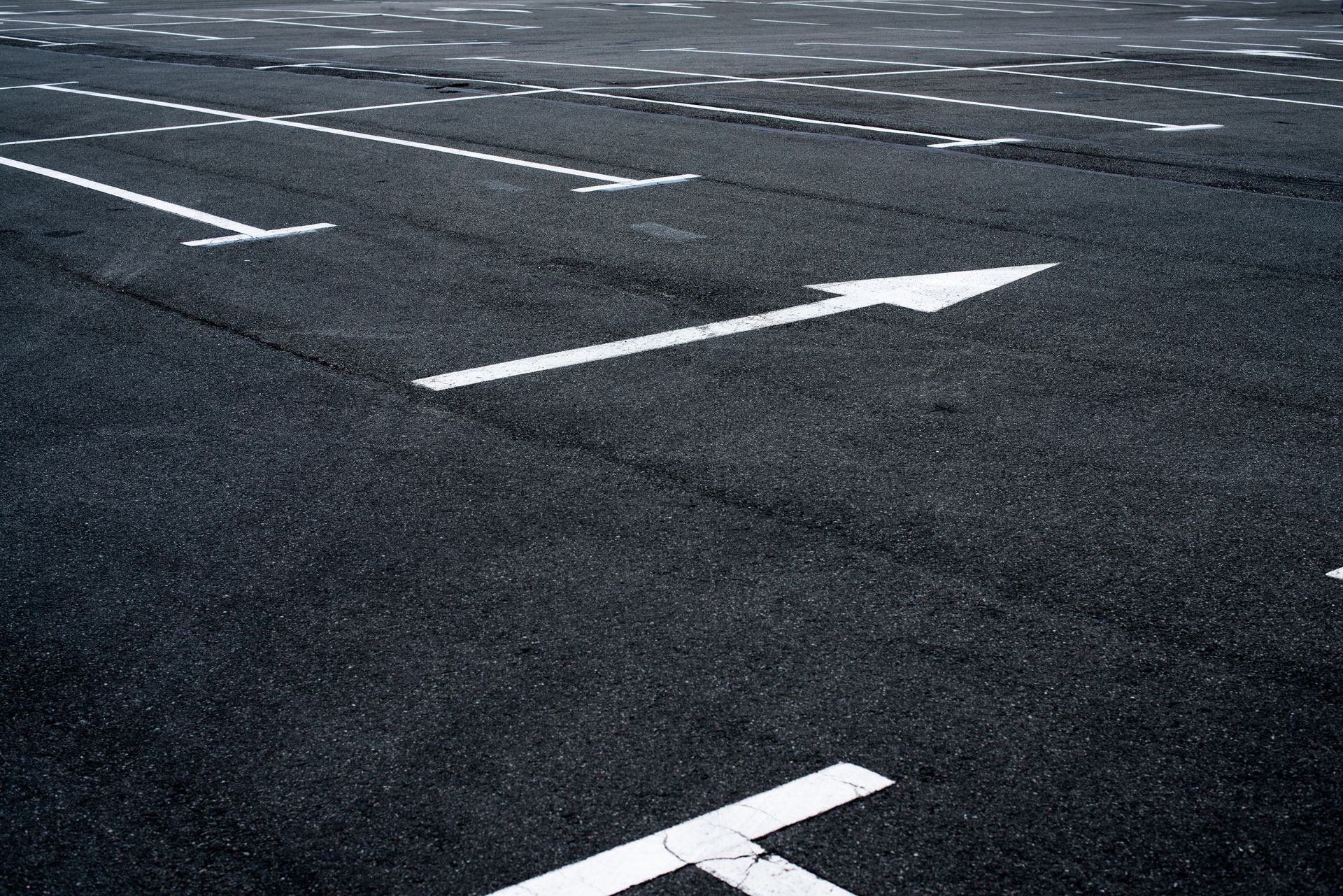
Maintaining vehicle and pedestrian traffic safety is paramount, and how a surface feels underfoot or beneath tires can influence this significantly. Sealcoating helps blunt the dangerous consequences of unchecked wear and tear by reshaping the surface to its original smoothness. When applied periodically, it maintains a uniform surface that promotes safe movement for both vehicles and pedestrians. Anticipating the best time to apply sealcoating involves assessing asphalt condition routinely to find any textural changes. Ideally conducted every few years, sealcoating acts as both a preventative and remedial treatment for aging and worn surfaces.
Maintaining your commercial property's pavement through techniques such as sealcoating can significantly enhance its longevity and appeal. By identifying and addressing early signs of wear and tear, property owners can safeguard their investment and ensure safety and aesthetic appeal for years to come. Proper scheduling and regular interventions, be it through corrective measures or protective applications, have shown to effectively manage and prolong the pavement lifespan. Thorough assessments of fading colors, cracking, water drainage, textural roughness, and other identified signs allow property owners to make informed maintenance decisions. With sealcoating comes both economic and aesthetic advantages, keeping the property not only sound and secure, so reach out today to Lee & Sons Paving LLC.
Share On: