
How the Line Striping Process Works
Line striping is one of the most visible and important finishing steps in pavement maintenance and construction. Whether it is a parking lot, roadway, warehouse, school campus, or commercial property, clearly marked lines help direct traffic, improve safety, and create an organized environment. While many people notice the finished product, few understand the planning, equipment, and expertise required to complete the work properly.
A professional paving company follows a detailed process to create durable, highly visible markings that meet local regulations and property needs. From preparing the pavement surface to applying paint with precision equipment, every stage plays a role in achieving a quality result. Understanding how line striping works can help property owners appreciate the value of professional services and make informed decisions about maintaining their pavement investments.
What Is Line Striping?
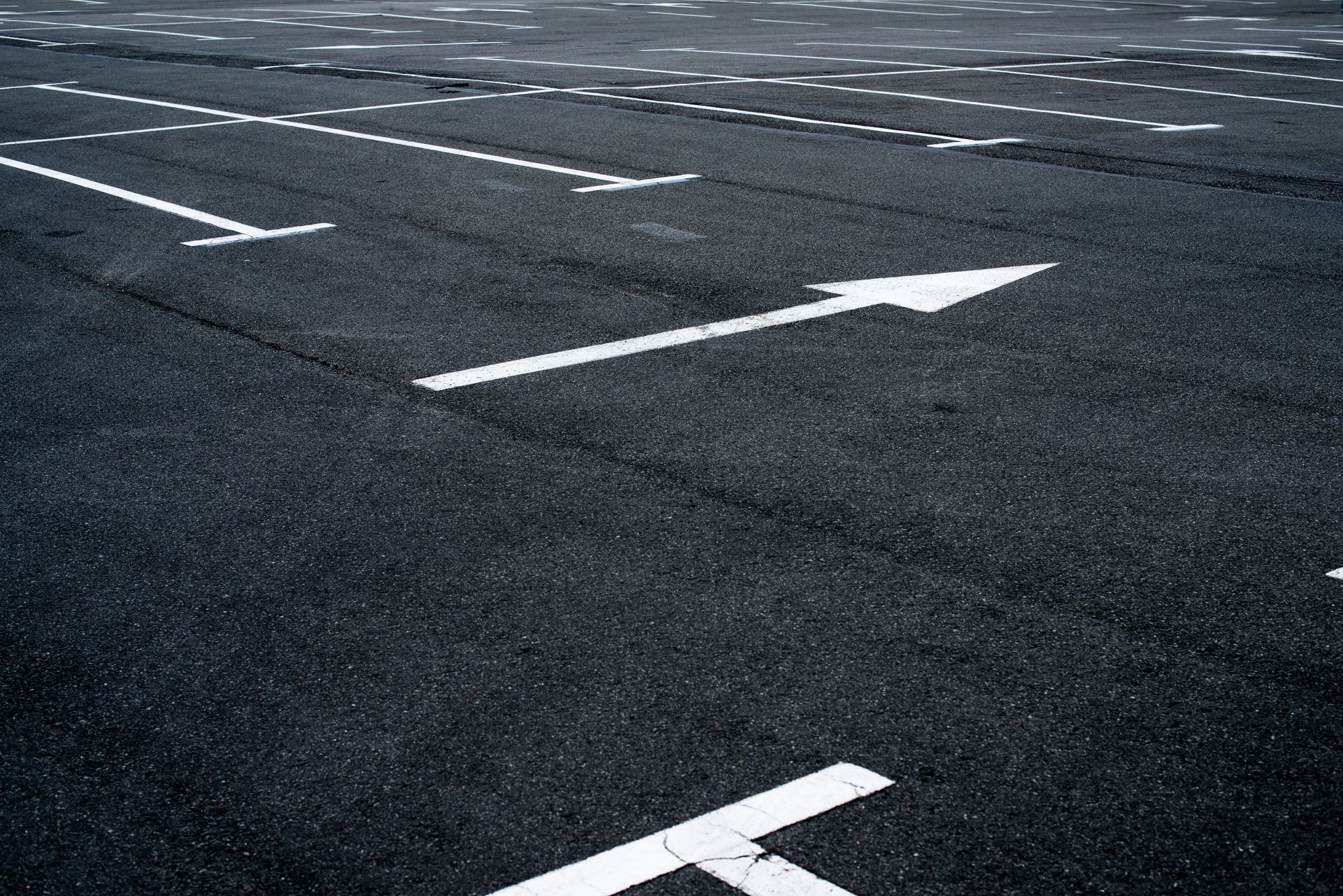
Line striping is the process of applying painted or thermoplastic markings to paved surfaces to designate traffic lanes, parking spaces, pedestrian walkways, loading zones, and other important areas. The goal is to create clear visual guidance for drivers and pedestrians while improving the functionality of the space.
A paving company typically performs line striping after new pavement installation or as part of a maintenance program for existing asphalt surfaces. Over time, weather exposure, vehicle traffic, sunlight, and moisture can cause pavement markings to fade. Regular restriping helps maintain visibility and compliance with local requirements.
Line striping involves much more than simply painting lines on pavement. Contractors must consider spacing, dimensions, traffic flow patterns, accessibility regulations, and safety standards. Parking lots, for example, often require designated accessible parking spaces, fire lanes, directional arrows, and pedestrian crossings. Roads may require centerlines, edge lines, turn lanes, and other specialized markings.
The process combines technical knowledge with practical experience to produce markings that are both functional and visually appealing. A skilled paving company understands how to create layouts that maximize efficiency while maintaining safety for everyone using the space.
Why Is Line Striping Important for Paving Companies?
Line striping serves several important purposes that extend beyond appearance. One of its primary functions is enhancing safety. Clearly marked traffic lanes and pedestrian pathways help reduce confusion and minimize the risk of accidents. Drivers can easily identify where to travel, park, and stop, while pedestrians gain safer routes through busy areas.
Organization is another major benefit. Parking lots with fresh striping allow businesses to maximize available space and improve traffic flow. Properly marked stalls help prevent overcrowding and reduce the likelihood of vehicles parking incorrectly. For commercial properties, this can improve customer experiences and create a more professional appearance.
A paving company also recognizes the role line striping plays in regulatory compliance. Many properties must meet accessibility standards and local requirements regarding parking space dimensions, signage, and safety markings. Failure to maintain compliant striping may result in fines or liability concerns.
The aesthetic value of fresh striping should not be overlooked. Crisp, bright markings create a positive first impression for customers, tenants, and visitors. A well-maintained parking lot often reflects positively on the overall property and can contribute to a sense of professionalism and care.
Additionally, line striping supports sustainability efforts within the paving industry. According to the National Asphalt Pavement Association, approximately 87 million tons of reclaimed asphalt pavement were recycled into new asphalt mixtures. This widespread recycling effort demonstrates the industry's commitment to maximizing resources and extending pavement life. When combined with routine maintenance practices such as restriping, pavement surfaces can remain functional and attractive for longer periods.
What Equipment Is Used in the Line Striping Process?
Professional line striping requires specialized equipment designed to deliver consistent, accurate results. The type of equipment used depends on the size of the project, the material being applied, and the desired level of precision.
The most common tool is the striping machine. These machines apply paint at controlled rates and widths, allowing contractors to create uniform lines across large surfaces. Walk-behind stripers are often used for smaller parking lots and detailed work, while ride-on units may be utilized for larger commercial or roadway projects.
Airless paint sprayers are particularly popular because they produce clean, sharp lines with minimal overspray. These systems use high pressure to atomize paint without compressed air, improving efficiency and reducing waste.
Measuring tools are equally important. Contractors use measuring tapes, laser measuring devices, chalk lines, and layout templates to establish accurate markings before paint application begins. Proper measurements help maintain compliance with local regulations and industry standards.
A paving company may also use stencils to create symbols such as handicap markings, directional arrows, crosswalk indicators, and lettering. These templates help maintain consistency and ensure professional-looking results.
Surface preparation equipment is another critical component of the process. Power blowers, sweepers, and pressure washers remove dirt, debris, and contaminants that could interfere with paint adhesion. Some projects may require grinding equipment to remove old markings before new striping is applied.
How Do Paving Companies Ensure Precision in Line Striping?
Precision is essential in line striping because even small errors can affect safety, compliance, and appearance. Professional contractors follow a systematic process to achieve accurate results.
The first step is evaluating the site and creating a detailed layout plan. Before any paint is applied, a paving company assesses traffic patterns, parking requirements, accessibility needs, and local regulations. This planning stage helps determine the exact placement and dimensions of all markings.
Once the layout is established, contractors use chalk lines, measuring tools, and reference points to mark the pavement. These temporary guidelines serve as a roadmap during the striping process and help prevent mistakes.
Surface preparation is another key factor in achieving precision. Clean pavement allows paint to adhere properly and creates sharper line edges. Contractors remove debris, oil stains, and loose materials before beginning work.
Weather conditions also play an important role. Temperature, humidity, and wind can affect paint performance and drying times. Experienced crews schedule work during favorable conditions to maximize quality and durability.
Equipment calibration is critical as well. Striping machines must be adjusted to maintain consistent line widths and paint thickness. Regular equipment inspections help prevent uneven application and ensure reliable results.
Quality control measures further enhance accuracy. Many paving company professionals inspect completed work throughout the project to verify alignment, spacing, and visibility. Corrections can be made immediately if any discrepancies are identified.
How Much Does Line Striping Cost When Done by a Paving Company?
The cost of line striping can vary significantly depending on several factors. Property size is often the most influential consideration. Larger parking lots and roadways require more materials, labor, and time, resulting in higher overall costs.
The complexity of the project also affects pricing. A simple parking lot restriping job may cost less than a project requiring extensive markings, custom stencils, crosswalks, directional arrows, and accessibility features. More intricate layouts generally involve additional labor and planning.
Surface condition is another important factor. If old markings need to be removed or the pavement requires cleaning and preparation, project costs may increase. Proper preparation is essential for achieving long-lasting results and should not be overlooked.
Material selection can influence pricing as well. Standard traffic paint is commonly used for many applications, while thermoplastic markings and specialty coatings often carry higher costs due to their enhanced durability and installation requirements.
Location and regional labor rates may also impact project expenses. Urban areas and regions with higher operating costs often experience higher pricing than rural locations.
Line striping is a critical component of pavement functionality, safety, and appearance. From defining parking spaces and directing traffic to improving pedestrian safety and regulatory compliance, properly applied markings serve many important purposes.
A professional
paving company follows a detailed process that includes planning, surface preparation, precision layout, specialized equipment operation, and quality control. These steps help create durable markings that remain visible and effective over time.
Understanding how the line striping process works allows property owners to better appreciate the expertise involved and the value these services provide. Whether for a commercial parking lot, roadway, or industrial facility, investing in professional line striping can help maximize the performance and longevity of paved surfaces while creating a safer and more organized environment. If you're looking for striping, reach out to Lee & Sons Paving LLC today!
Share On: