
What to Expect During Your First In-Home Consultation with Paving Contractors
Scheduling a consultation with qualified paving contractors marks the critical first step toward enhancing your property's curb appeal and functionality. Aligning your personal availability with the company's calendar ensures adequate time for a thorough on-site evaluation of your driveway or patio space. Weekdays often provide ideal meeting windows, though flexible weekend consultations can be arranged in advance to suit busy work schedules. Accounting for potential weather disruptions remains vital, as outdoor ground conditions directly affect preliminary site inspections. Selecting an opportune time lays a solid foundation for an uninterrupted, productive meeting.
Gathering Documentation
Preparing thoroughly for your initial consultation guarantees a streamlined evaluation process. Assembling property surveys, past maintenance records, and site blueprints provides technicians with essential background data regarding your land's history. Handing these records over immediately allows estimators to assess underlying soil conditions, utility lines, and historical site revisions accurately. Maintaining a written checklist of questions ensures that key concerns regarding material longevity or drainage are addressed. Organized preparation expedites site evaluations and establishes a productive environment for project planning.
Defining Objectives
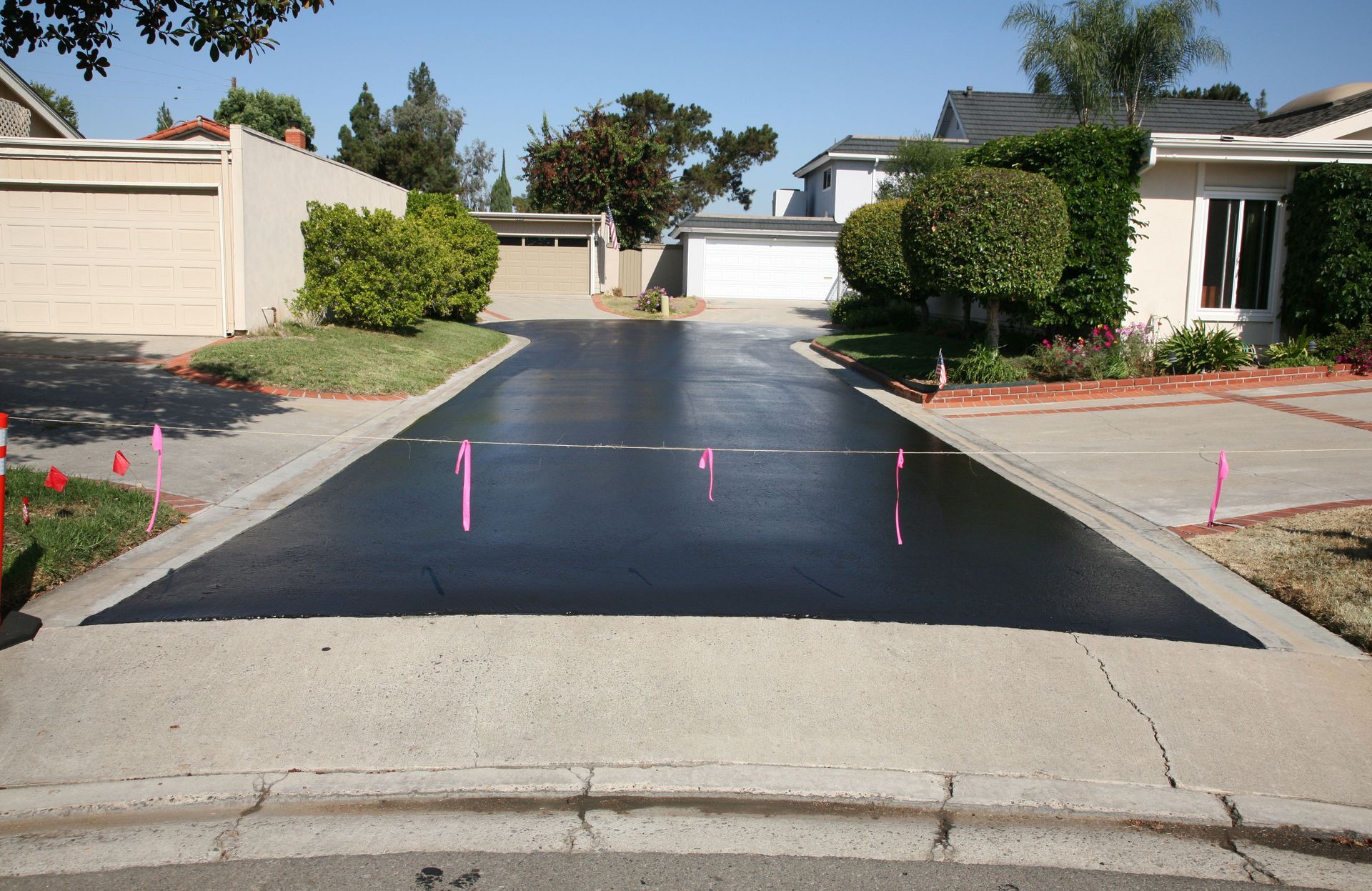
Setting clear project goals helps align your expectations with available installation services. Evaluating specific options—such as seal coating, which, according to the Department of Transportation, typically lasts about 6 to 8 years, reducing long-term maintenance and costs—guides your overall design strategy. Communicating whether your primary focus centers on aesthetic upgrades, enhanced surface durability, or improved water drainage enables technicians to customize their installation approach. Aligning your vision with professional capabilities ensures the proposed scope meets your long-term functional requirements.
Assessing Professionalism
Observing first impressions during your initial meeting provides valuable insight into a company's operational standards. Punctual arrival, professional attire, and clear communication reflect the dedication and work ethic you can expect throughout the project. A courteous introduction builds mutual respect and sets a positive tone for ongoing collaboration. Observing these subtle details allows homeowners to gauge how responsibly technicians will manage site cleanup, safety protocols, and daily labor schedules. Evaluating preliminary interactions helps ensure you select dependable, client-focused professionals.
Reviewing Portfolios
Reviewing an estimator's background and project history builds confidence in their technical capabilities. Reputable professionals readily share company history, showcase past local installations, and verify licensing and insurance credentials. Examining a comprehensive portfolio featuring similar residential projects highlights creative design solutions and technical execution skills. Discussing specialized experience with challenging slope gradients or soil types reassures homeowners that their site will be handled expertly. Openly sharing past performance metrics fosters trust and establishes a strong working relationship.
Explaining Processes
Clarifying each stage of the consultation process ensures complete operational transparency between both parties. Estimators should walk you through every phase, from taking preliminary ground measurements to issuing a final written estimate. Demonstrating a clear structural workflow eliminates guesswork and sets realistic expectations regarding project timelines and communication channels. Understanding the step-by-step evaluation process enables homeowners to participate actively in design discussions. Transparent consultations establish mutual trust and streamline decision-making.
Conducting Inspections
Performing a comprehensive visual inspection of the site remains vital for developing a structurally sound paving plan. Experienced paving contractors inspect surface conditions to identify underlying sub-base issues, cracking, or water pooling. Identifying site vulnerabilities early prevents unexpected change orders and costly structural modifications during excavation. Thorough visual observations help technicians determine whether additional sub-base compaction or specialized drainage solutions are necessary. On-site reviews form the mandatory baseline for accurate engineering and material selection.
Recording Measurements
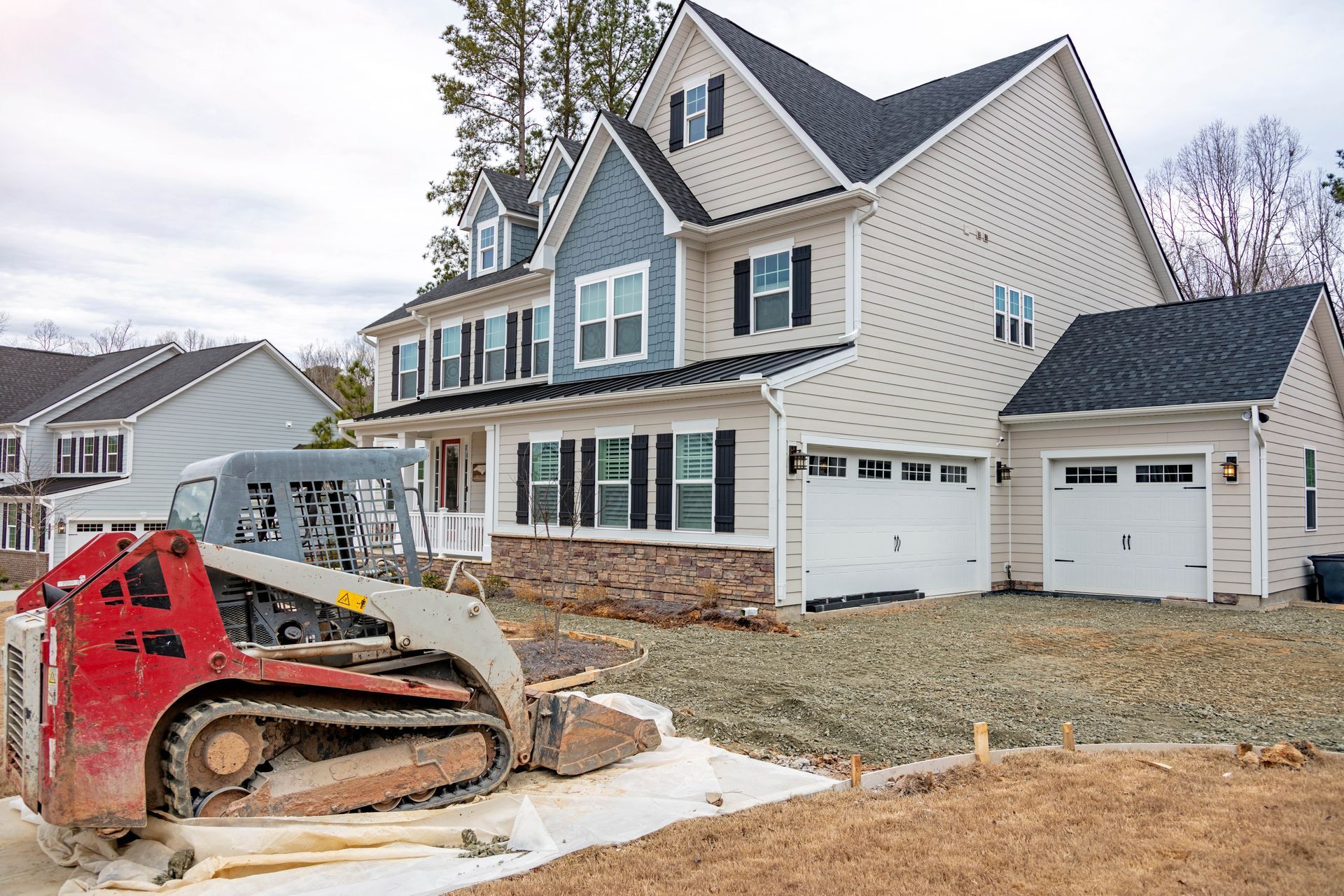
Taking precise site measurements and high-resolution photographs provides essential data for project planning. Estimators calculate exact square footage to determine necessary asphalt tonnage, base gravel volume, and equipment needs. Detailed photographs create a permanent visual record, aiding project managers in visualizing material delivery routes and site access points. Precise documentation ensures that written quotes accurately reflect site constraints and required labor resources. Detailed site mapping eliminates ambiguity and supports accurate cost forecasting.
Addressing Challenges
Anticipating structural challenges early prevents project delays and maintains steady installation progress. Drawing from field experience, skilled paving contractors flag potential site hazards, such as steep slopes, nearby tree roots, or adjoining concrete structures. Discussing proactive solutions—such as re-grading soil, installing catch basins, or adding crushed stone base layers—ensures long-term structural stability. Resolving technical hurdles during the assessment phase demonstrates thoroughness and keeps installation timelines on schedule.
Exploring Materials
Exploring various paving materials reveals distinct performance characteristics suited for different budget levels and aesthetic preferences. Asphalt, concrete, and interlocking pavers each offer unique advantages regarding installation speed, climate flexibility, and surface maintenance. Discussing material traits with certified paving contractors helps homeowners evaluate long-term durability against upfront installation costs. Understanding material specifics guarantees that your selection aligns with local weather conditions and vehicle weight requirements. Informed material selection yields lasting satisfaction with your outdoor investment.
Comparing Benefits
Weighing the advantages and disadvantages of each material choice simplifies your final selection process. Asphalt provides a flexible, cost-effective surface that resists freeze-thaw cracking, whereas concrete offers superior rigidity and structural longevity at a higher price point. Evaluating maintenance cycles—such as seal coating, which lasts 6 to 8 years as reported by the Department of Transportation—helps homeowners estimate long-term upkeep costs accurately. Matching material characteristics to your daily usage needs ensures optimal return on investment.
Guiding Selections
Receiving professional recommendations tailored to your property ensures optimal project outcomes. Experienced estimators suggest specific material thicknesses and sub-base configurations based on soil type, slope gradient, and anticipated traffic loads. Transparent breakdowns of material expenses against overall labor costs assist homeowners in managing financial limits without sacrificing structural quality. Partnering with seasoned paving contractors helps refine your choices to match both aesthetic preferences and budget constraints. Professional guidance prevents costly over-engineering or premature surface failure.
Establishing Timelines
Establishing realistic project timelines and milestone dates keeps installation teams on schedule. Technicians outline clear phases, accounting for curing times, weather contingencies, and material delivery schedules. Establishing defined milestones allows homeowners to track daily progress and plan around driveway access disruptions effectively. Coordinating schedules ahead of time minimizes household inconvenience and promotes smooth job completion. Structured timelines ensure timely project delivery without compromising material curing requirements.
Reviewing Parameters
Recapping key meeting points at the conclusion of your consultation consolidates shared understanding across all project parameters. Reviewing proposed designs, material choices, and estimated schedules ensures that estimators have captured your exact priorities correctly. This final verbal walkthrough provides an opportunity to make minor adjustments to project boundaries or material upgrades before finalizing contracts. Summarizing core details leaves no room for oversight or miscommunication. Thorough reviews guarantee a seamless transition into the contract phase.
Resolving Inquiries
Clarifying remaining questions or technical doubts before signing contracts prevents future project complications. Asking about warranty terms, crew supervision, permits, and payment schedules ensures complete peace of mind. Resolving technical inquiries immediately fosters an open, collaborative environment between homeowner and contractor. Open communication establishes shared expectations and secures mutual commitment to quality workmanship. Addressing concerns upfront ensures confidence as your project moves forward.
Receiving a formal written proposal consolidates all agreed-upon scope items, timelines, pricing, and warranty terms into a legally binding document. Written contracts serve as an authoritative reference point throughout the installation process, protecting your financial investment. Reviewing finalized terms allows homeowners to proceed with confidence, knowing all specifications are documented. Formal paperwork assures professional accountability and sets the foundation for a successful installation. To schedule a comprehensive in-home consultation and receive a detailed quote for your next project, contact Lee & Sons Paving LLC.






Share On: